The first KUKER was born in 2016 and bravely persevered through three trips to the Black Rock desert. Built on top of a gas-powered golf cart, it carried up to 10 people (and slept 2). That was clearly not enough for its growing community and after the transmission finally gave up, plans for a new bigger beast began to form.
The Start
Il mascherato
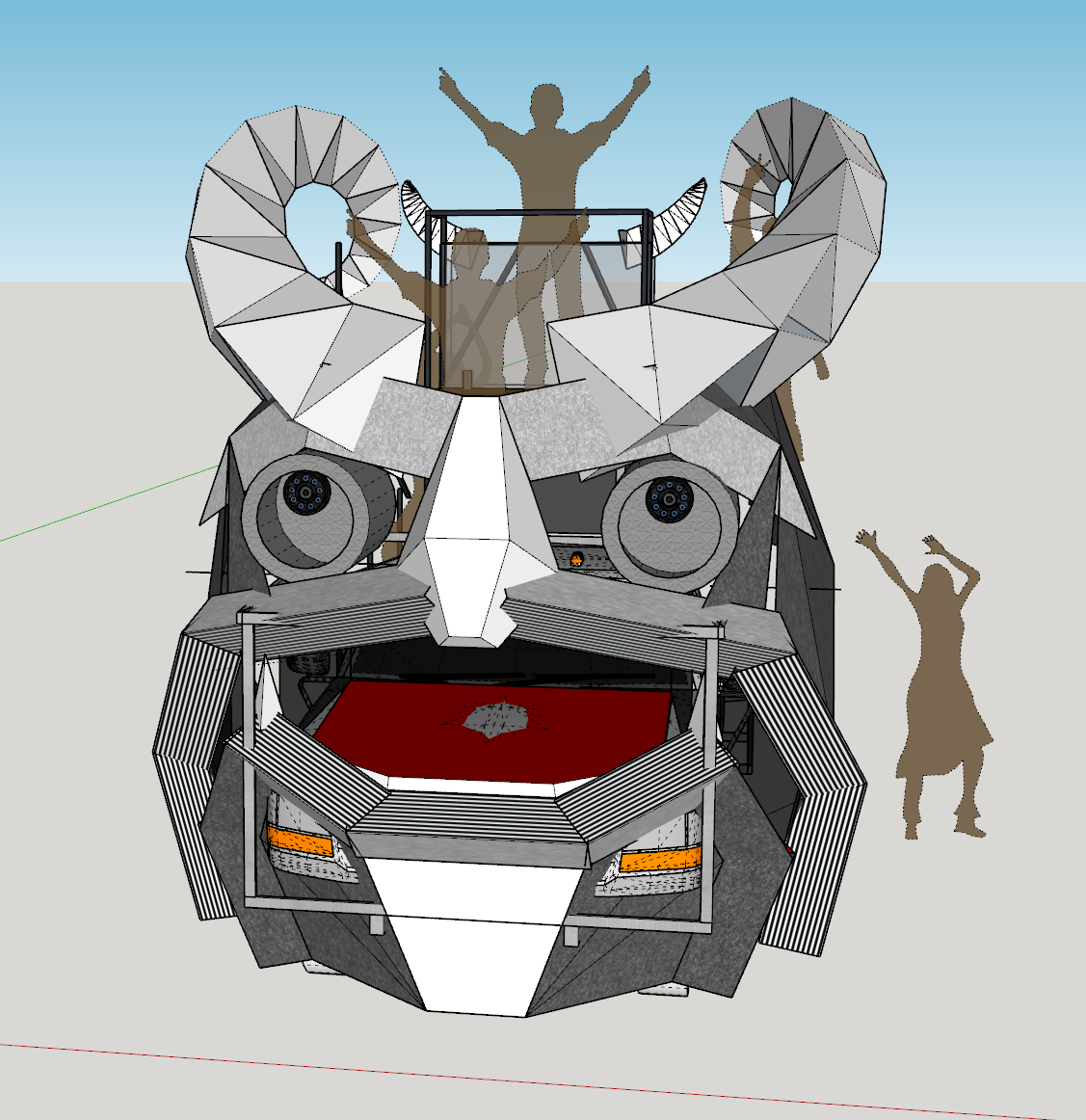
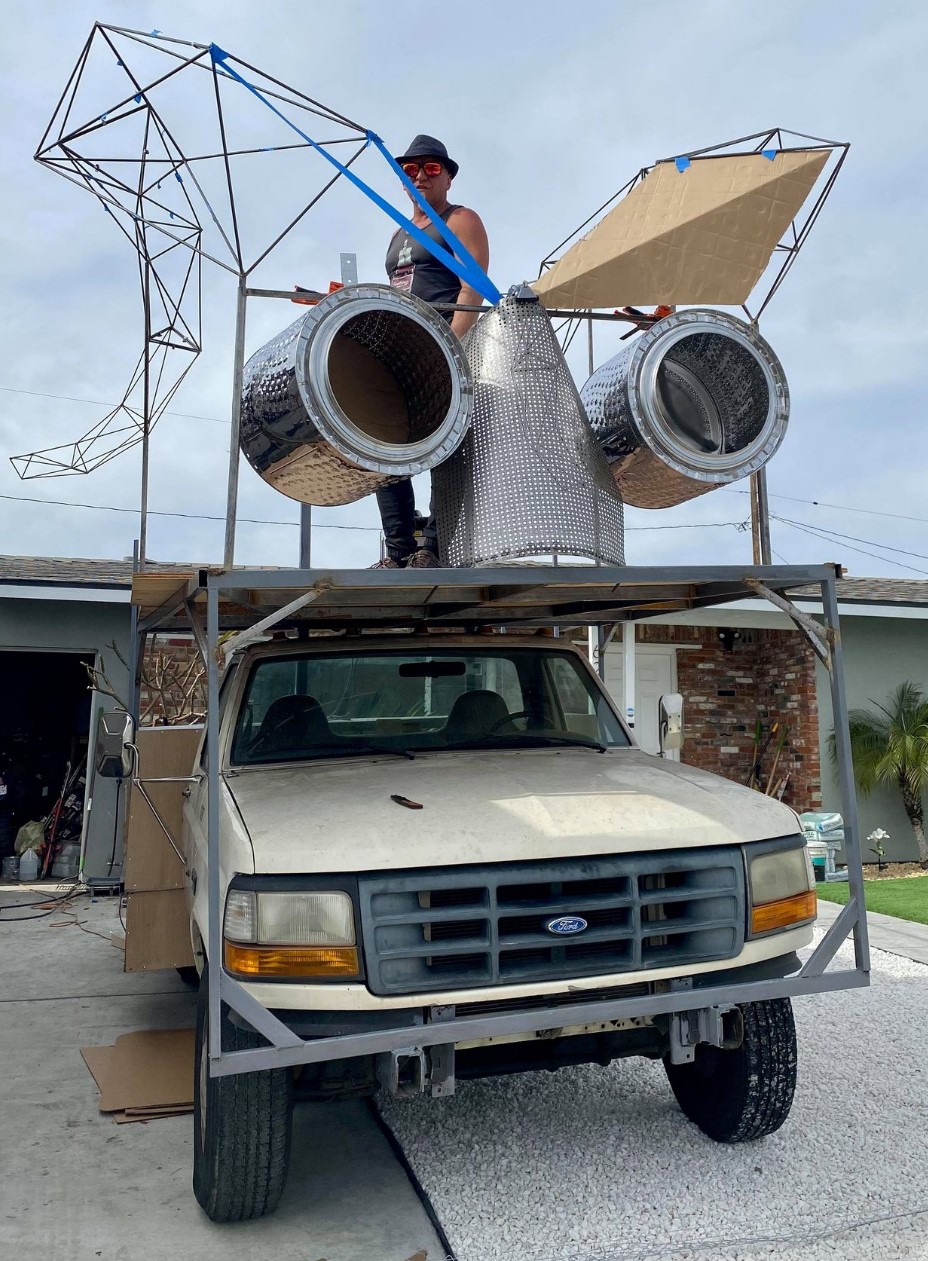
As many great projects do, this one started with a serious crush—specifically, one of those gorgeous Italian rides. A quick initial draft eventually multiplied into a whole pile of sketches until the vision was just right. In contrast, the basic frame went from drawing to welded metal in a single weekend.
Draft 238
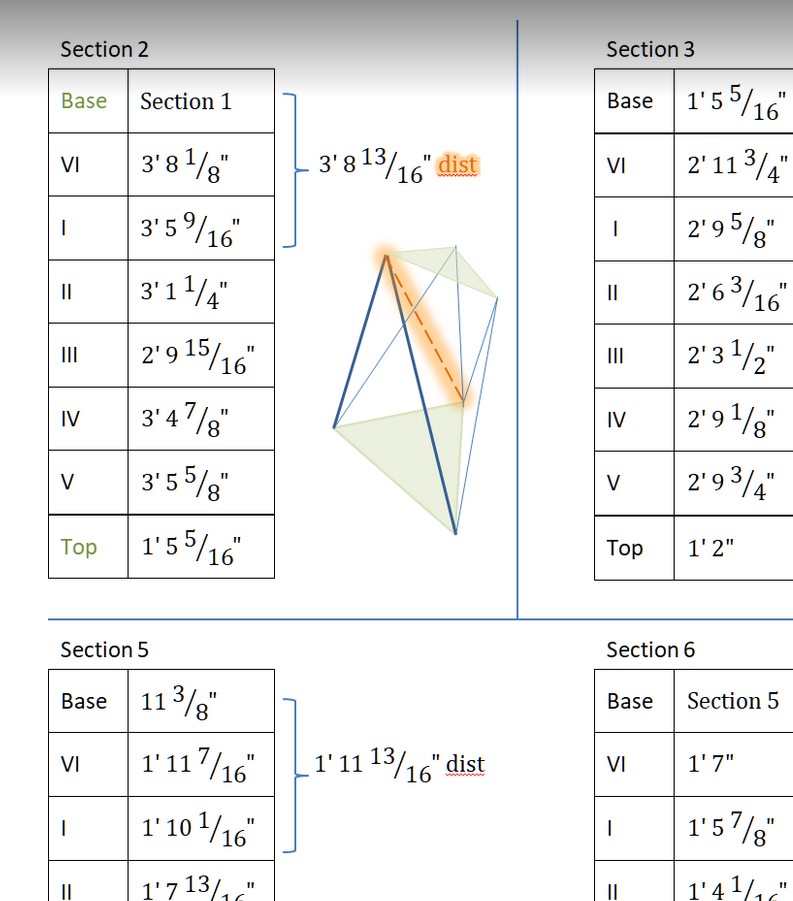
That initial speed didn’t last, however. The distinctive horns which give the Kuker its attitude turned into a months-long obsession: sketching, modeling, adjusting, all in pursuit of the perfect curve, the ideal width, and that just-right taper. Until, finally, the sweet spot was found.
Scale and repeat
Once all the pieces came together and the materials were prepped, the horn frames were built in just another single weekend. Their “skin” was a different story.
The Nose
Undo and redo
After the horns were built and mounted, several nose shapes and materials were considered. The final nose took several years of refinement until finally reverted to version 2.0.
The Fur
Genuine vs faux
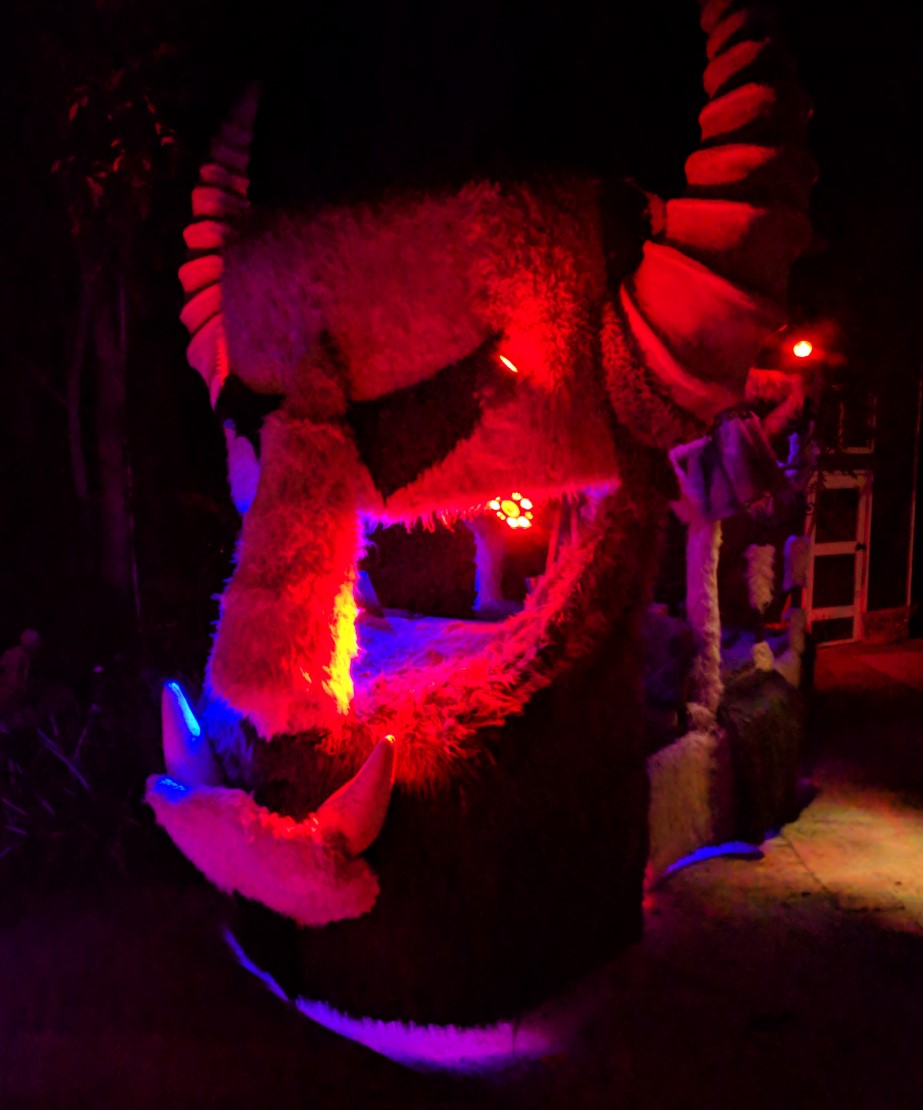
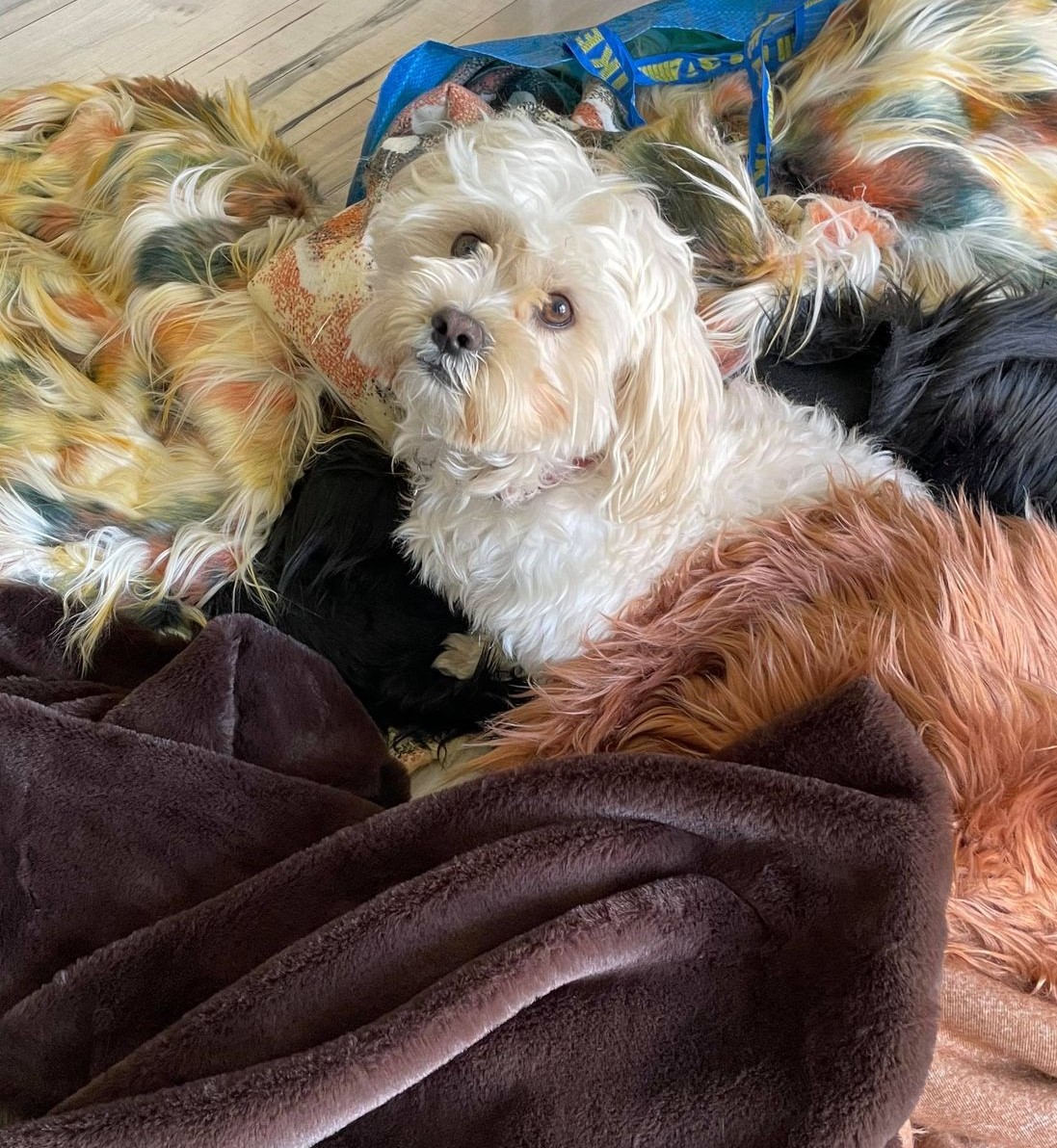
Traditional kukeri are usually clad in fur from Kalofer long-haired goats. However, that’s expensive, heavy and hard to work with. The faux fur was tested and approved by the cutest quality control specialist, Marley.
The Test
Desert drive
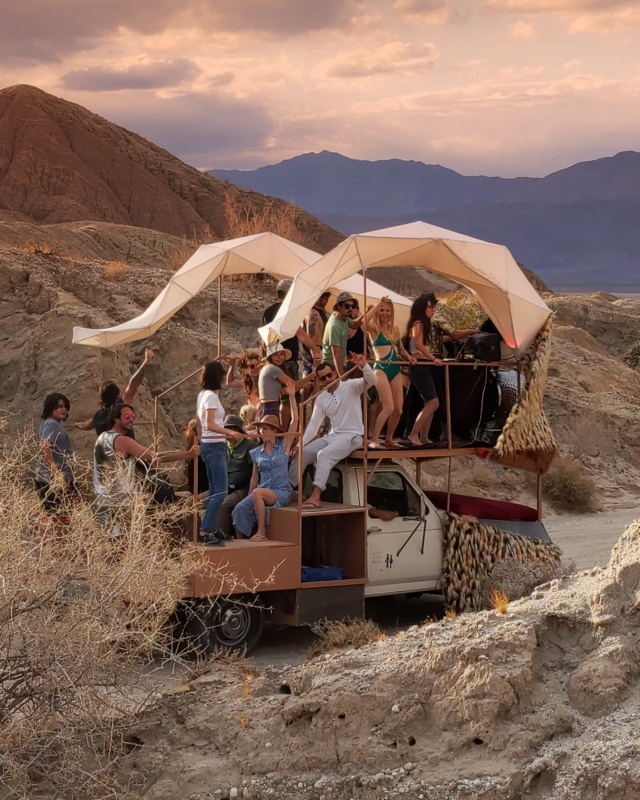
For the ultimate stress test we traded the workshop for the dunes, inviting a group of friends to help us push the vehicle to its limits. It was a weekend of grit and endurance trials to ensure the frame wouldn’t just carry the load, but conquer the elements.
The desert heat was just the warm-up. With thirty people on board, the vehicle didn’t just climb—it charged up a punishingly steep dirt road, proving that no amount of weight or incline could break its stride.
The Symbol
Cut and fit
Kanatitsa is an ancient Bulgarian symbol, also found in many other cultures, which represents longevity, happiness, and protection from evil forces. It is a geometric motif where the various compositions of triangles symbolize concepts like family, tribe and prosperity.
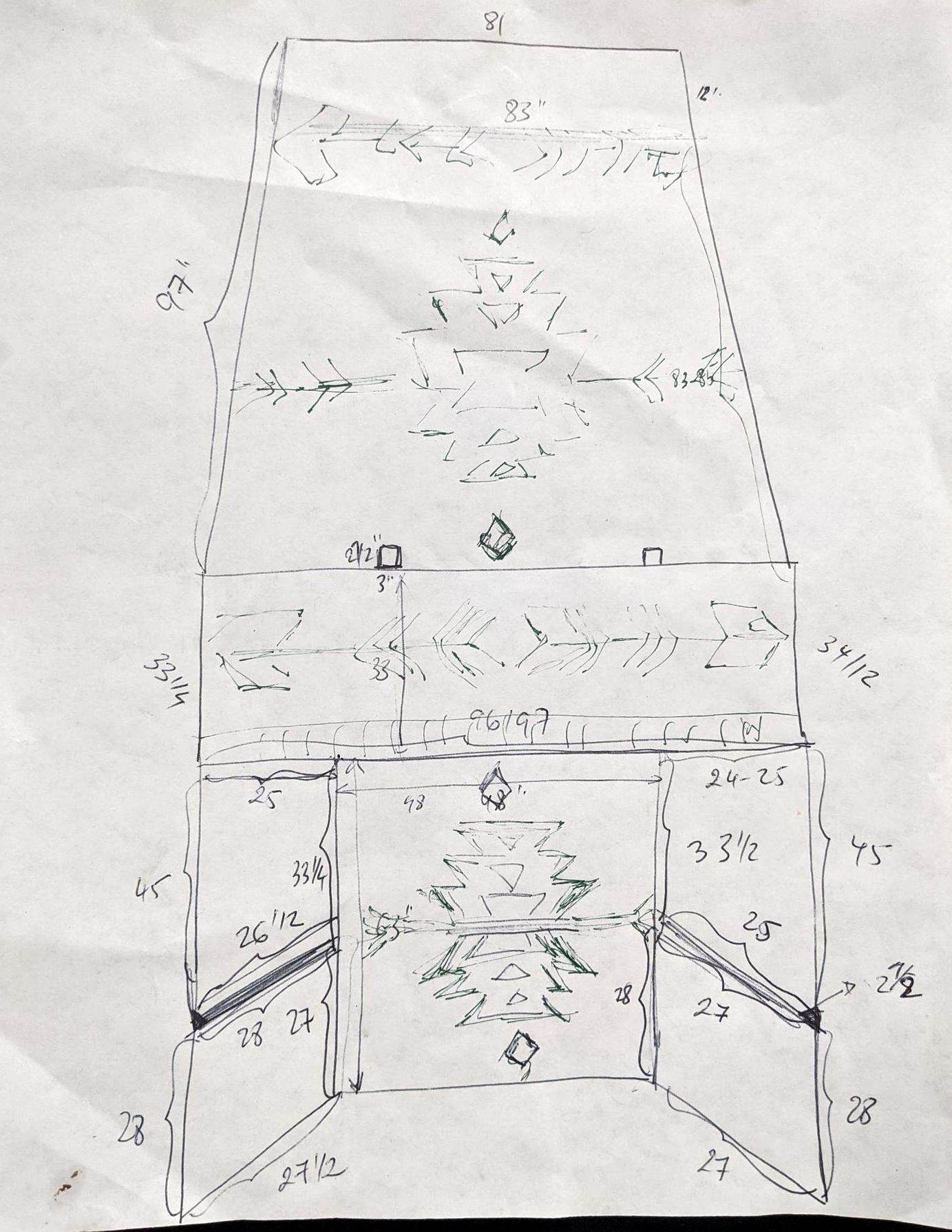
First came the carpet. It had to be cut into many pieces to ensure the patterns fit with the steps of the back.
The Flames
Flame test
After the 2023 Burn, the constant drive for improvement necessitated the addition of smaller front horns. They happened to terminate at a perfect point to meet the requirements for flame effect distance from people. It didn’t take long for the whole team to get on board with the addition and even the local police called to the scene approved.